
Keeper life on the northern coast was shaped by unbroken routine, hard weather, shared responsibility, and long stretches of isolation.

These stories follow the human cadence behind each lightdaily tasks, storm-worn judgment, and the quiet endurance that kept watch.

Keeper voices

Short recollections from the tower books

Three preserved excerpts, set as archival notes: one leading account and two supporting entries from the northern coast lights.

"By dusk the horn gave one long note, and the sea answered from the black rocks below. I trimmed the lamp twice before midnight; the glass sweated in the cold, yet the beam held steady enough for the mail cutter to find her turn."

— Senior keeper, winter log of 1894
"Snow sat in the door-sill by morning, and we kept our coats on through breakfast. Still, the first task was the lens; salt dust gathers while a man sleeps, and ships trust a clean light more than our comfort."

— Relief hand, coast notebook, early 1900s

"On clear evenings we could count fishing lamps from the gallery rail. When fog settled, all vanished but our own lantern circle, and we wrote the hours carefully so the next watch would know what weather had passed."

— Assistant keeper, watch record, c. 1911

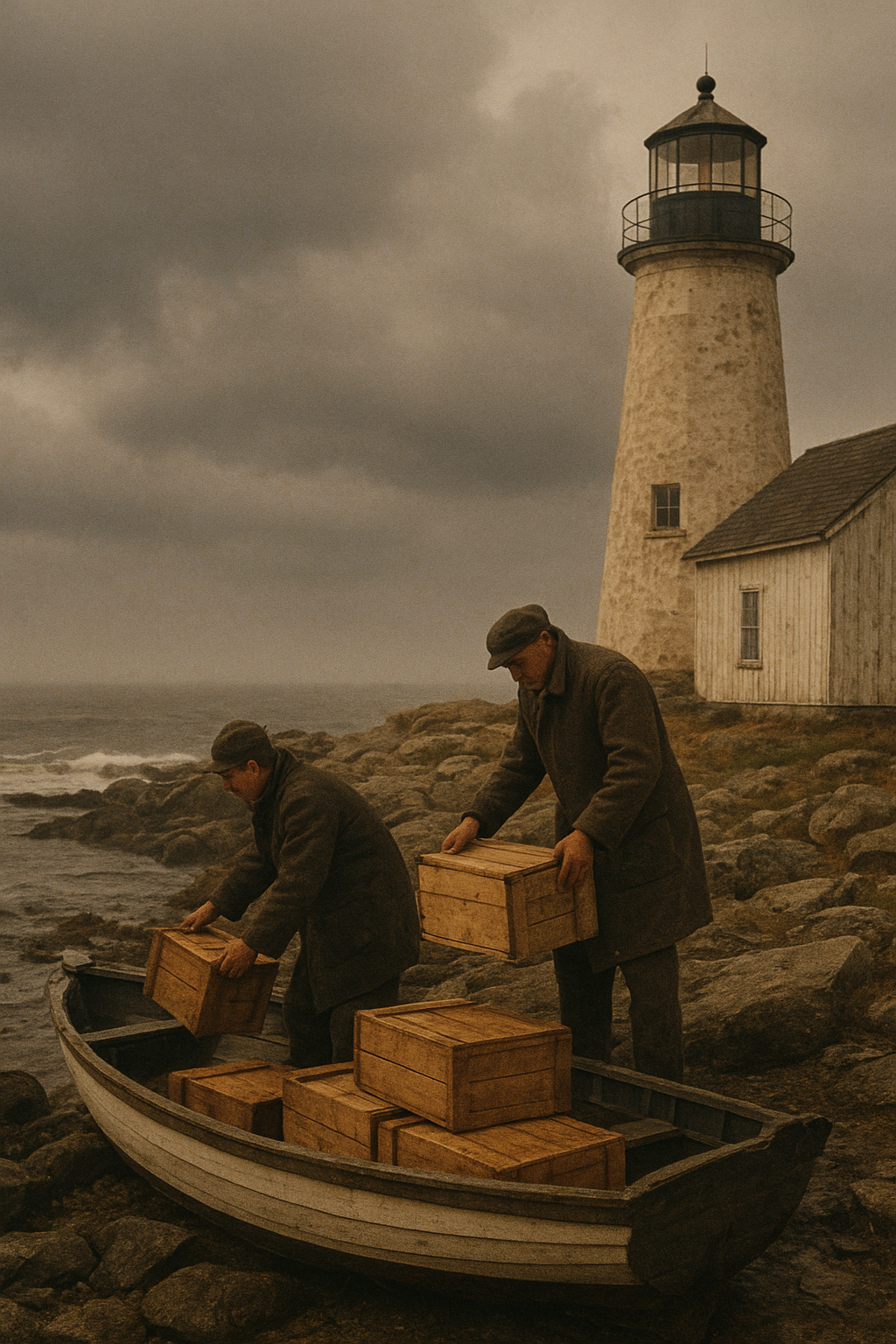
Warm, weathered documentary photograph of a northern-coast lighthouse outbuilding and shoreline workers unloading supplies under overcast skies

Coastal rhythms

Life around the lamp and shoreline

Beyond watch duty, each station moved to the cadence of supply runs, storm repairs, lamp and fog-signal routines, and long seasonal stretches when weather cut the coast off for weeks at a time.

  • Weather-window supply runs
  • Storm damage maintenance
  • Night signal routines
  • Seasonal isolation cycles